
Identifying Common Signs of Faulty Wiring: A Homeowner's Guide


As a homeowner, ensuring the safety of your home is a top priority. One critical aspect of home safety is the electrical wiring. Faulty wiring can lead to serious hazards, including electrical fires. Identifying the common signs of faulty wiring can help you address issues before they escalate.
Frequent Circuit Breaker Trips
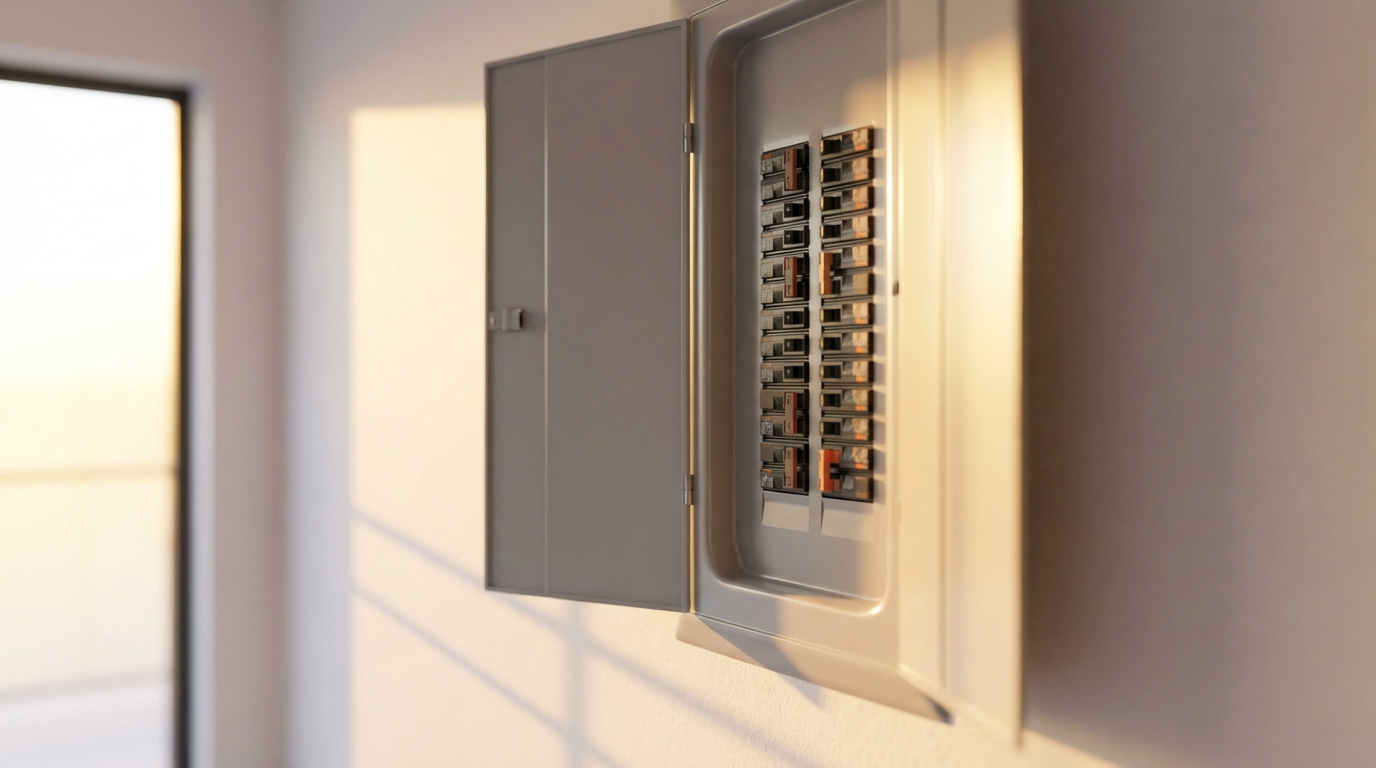
One of the first signs of faulty wiring is frequent circuit breaker trips. Circuit breakers are designed to cut off power when the electrical load is too high. If your breakers are tripping often, it may indicate that your wiring is overloaded or has a short circuit.
Pay attention to patterns, such as the same breaker tripping repeatedly. This could point to a specific problem area in your home's wiring that needs professional attention.
Flickering or Dimming Lights
Lights that flicker or dim unexpectedly can be another sign of faulty wiring. If this happens when you turn on an appliance, it might mean that your circuit is overloaded. Alternatively, loose wiring connections could be to blame.
Ensure that light fixtures are installed correctly and consider having an electrician inspect the wiring if the issue persists.
Unusual Sounds and Smells
If you hear buzzing or sizzling sounds from outlets or switches, or notice a burning smell, this could indicate serious wiring problems. Such sounds and smells often mean that wires are frayed or connections are loose, leading to potential fire hazards.
In these cases, turn off the power to the affected area and contact a professional electrician immediately.

Warm or Discolored Outlets
Outlets or switches that feel warm to the touch or show discoloration may be a sign of faulty wiring. This could mean that wires are overheating, which poses a significant risk of fire.
It's crucial to address this issue promptly. Replace any damaged outlets and have an electrician inspect your wiring system.
Persistent Electrical Shocks
If you experience mild shocks when touching appliances or switches, it indicates a potential wiring issue. This could be due to improper grounding or faulty wiring connections.
Ensure that your electrical system is up to code, and consider having a professional evaluate the grounding and wiring throughout your home.
Outdated Wiring Systems
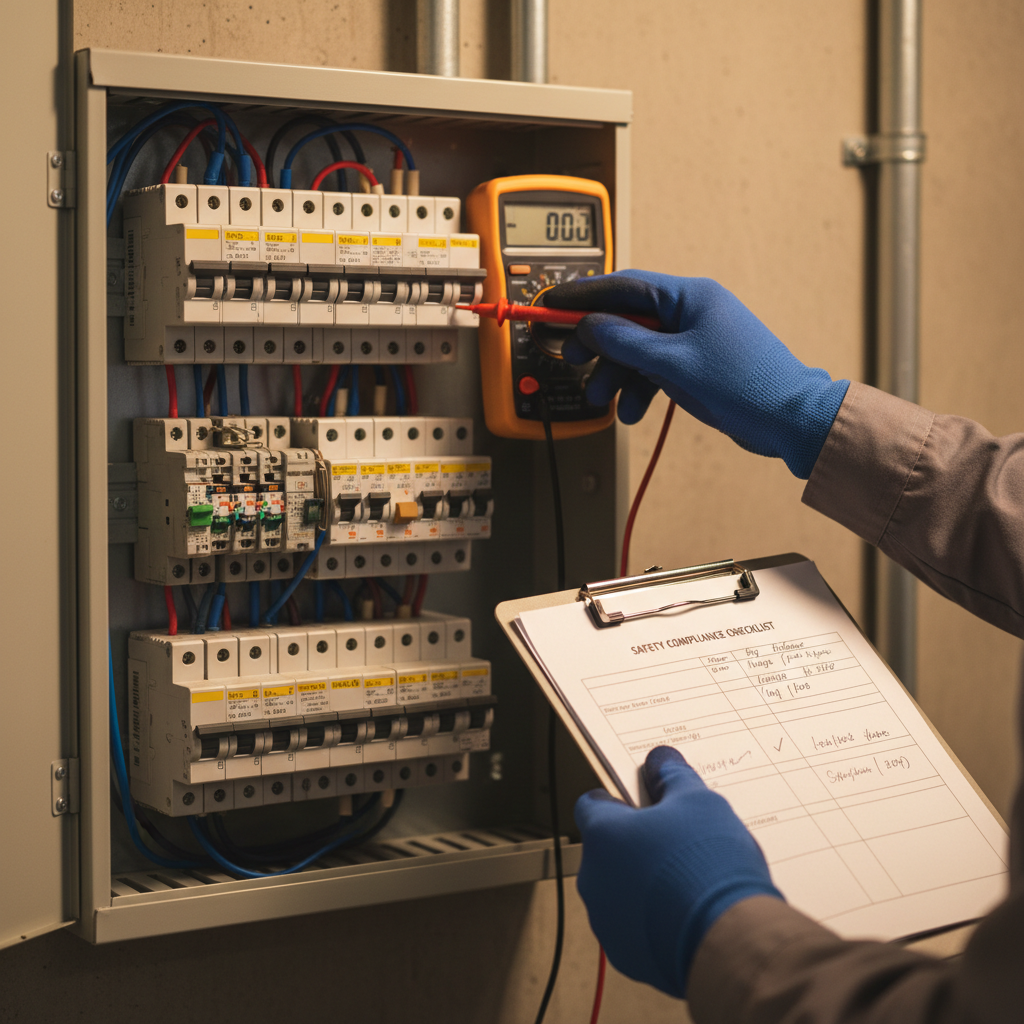
Homes with outdated wiring systems, such as knob-and-tube or aluminum wiring, are more prone to issues. These older systems might not handle modern electrical loads efficiently, leading to potential hazards.
If your home has outdated wiring, consider upgrading to a safer, more reliable system to protect your home and its occupants.
By keeping an eye out for these common signs of faulty wiring, you can maintain a safer home environment. Regular maintenance and professional inspections can prevent minor issues from becoming major problems.