
Common Misconceptions About Home Electrical Maintenance


Understanding Home Electrical Maintenance
When it comes to home electrical maintenance, many homeowners operate under several misconceptions that can lead to costly mistakes or even dangerous situations. Understanding the reality behind these myths is crucial for maintaining a safe and efficient home environment. Let's explore some of the most common misconceptions.
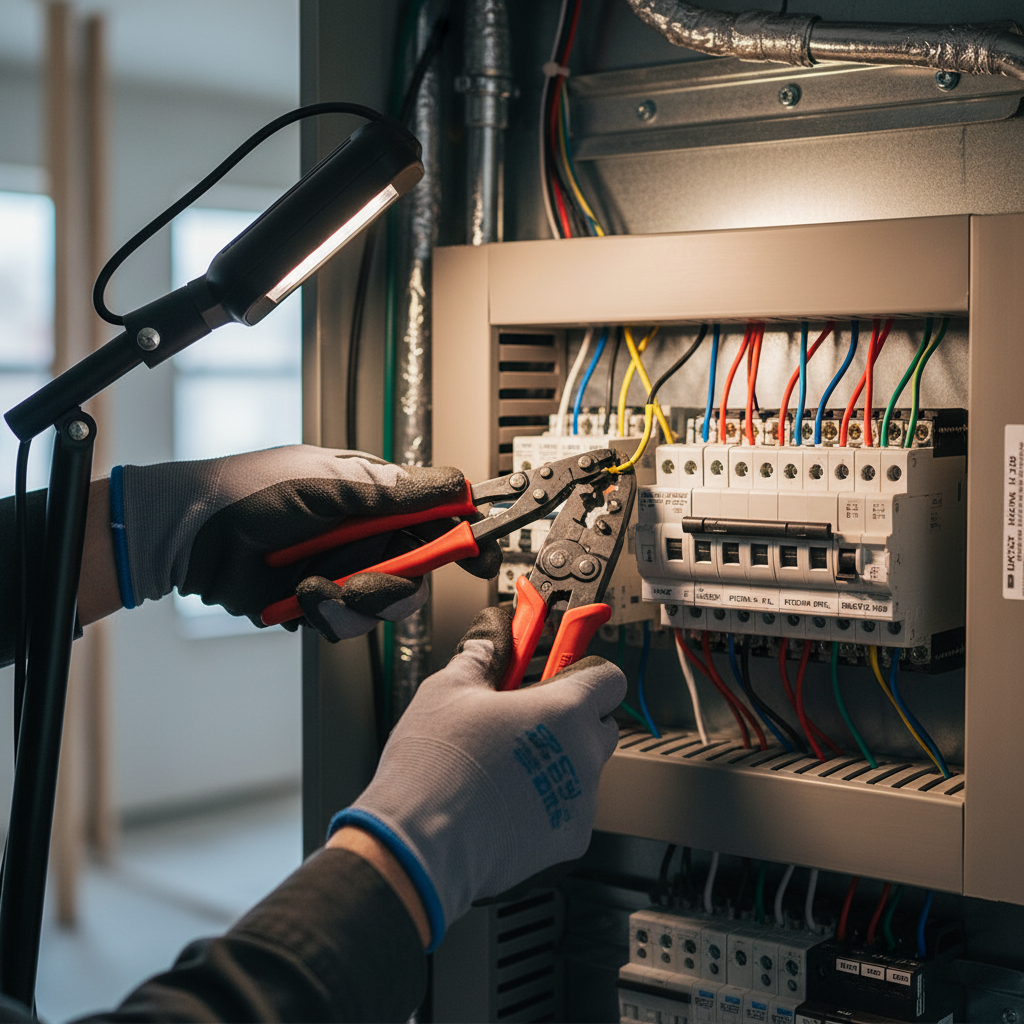
Myth 1: Electrical Maintenance Is Only Necessary When Something Breaks
A common belief is that electrical maintenance is only required when something is visibly wrong, such as a light not working or an outlet malfunctioning. In reality, regular maintenance is essential to prevent issues before they arise. Scheduled inspections can help identify potential problems, ensuring your home remains safe and energy-efficient.
Ignoring routine checks can lead to overlooked issues that might worsen over time, potentially causing damage to appliances or posing safety hazards.
Myth 2: DIY Electrical Work Is Safe If You Follow Instructions
With the availability of online tutorials, many homeowners feel confident in undertaking electrical repairs themselves. However, DIY electrical work can be extremely dangerous if not performed by a professional. Incorrect installations can lead to short circuits, electrical fires, or even severe injury.
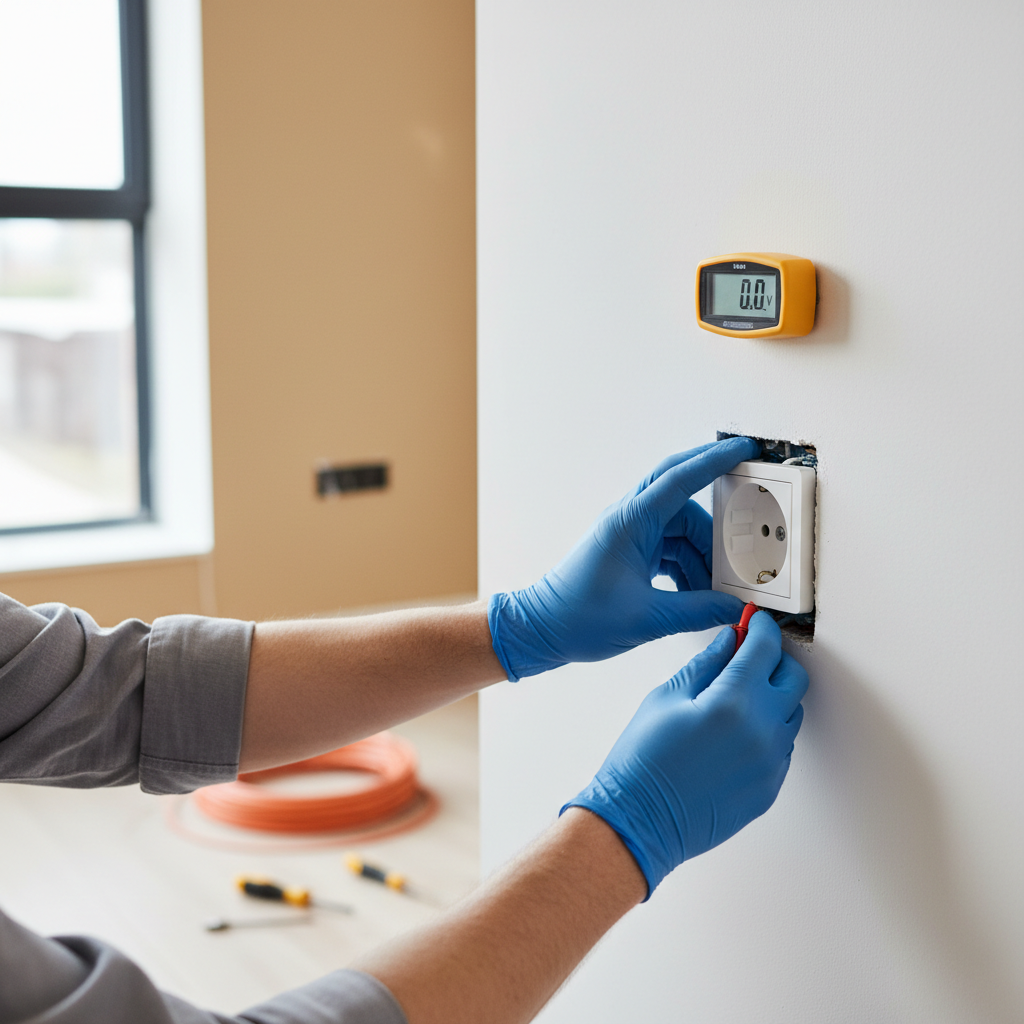
Always hire a licensed electrician for any electrical projects. Their expertise ensures the job is done safely and complies with local building codes.
Myth 3: Power Strips Can Handle Any Load
Power strips are often seen as a solution for limited outlet availability, but they are not designed to handle high electrical loads. Overloading a power strip can lead to overheating and increase the risk of a fire.
- Use power strips only for low-wattage devices.
- Avoid connecting multiple high-energy appliances to a single strip.
- Consider installing additional outlets if needed.
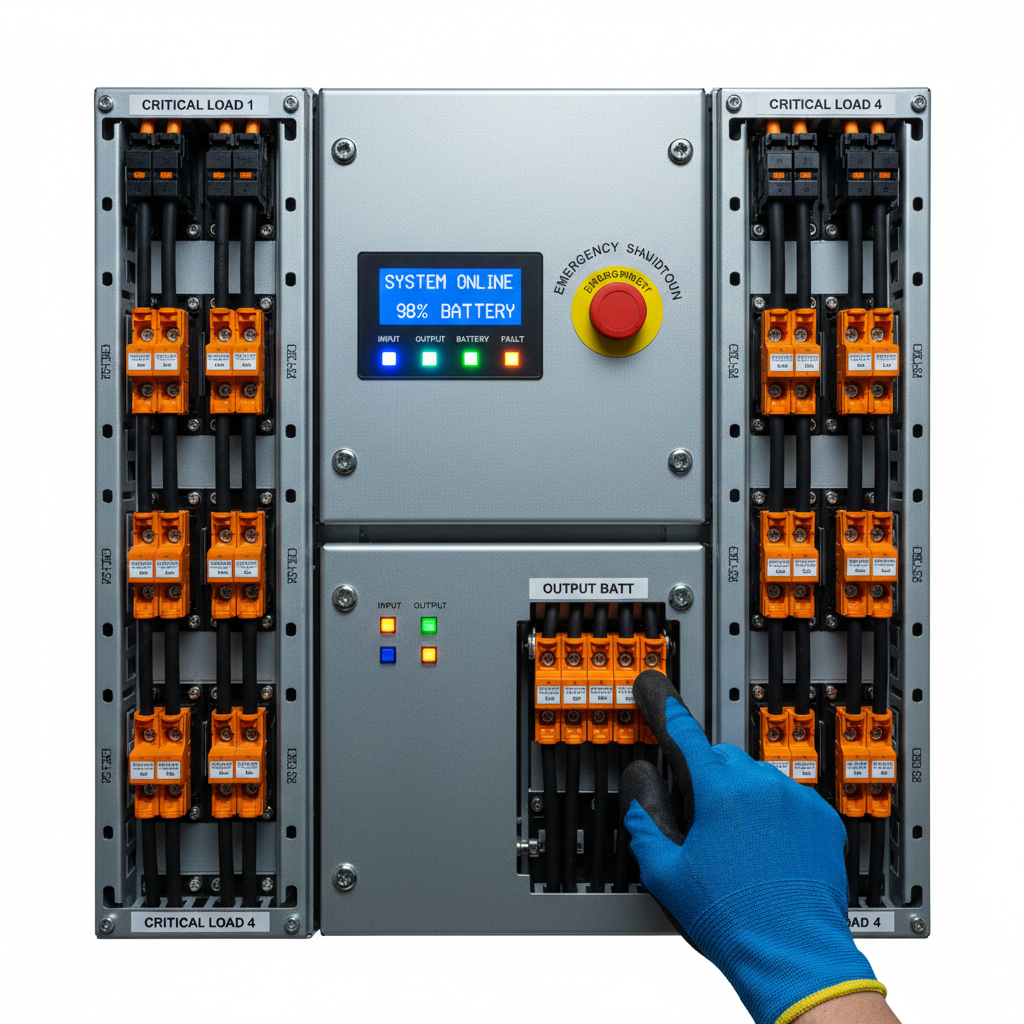
Myth 4: Circuit Breakers Always Protect You
Circuit breakers are crucial for electrical safety, but they are not foolproof. They are designed to cut off power in case of an overload, but they may not detect all issues, such as ground faults or arc faults.
Installing additional safety devices like ground fault circuit interrupters (GFCIs) and arc fault circuit interrupters (AFCIs) can offer enhanced protection. These devices can detect specific types of electrical faults that circuit breakers might miss.
Conclusion: Stay Informed and Safe
Understanding the truth behind these common misconceptions can help you maintain a safer and more efficient home. Regular maintenance, hiring professionals, and using the right protective devices are key steps in ensuring your electrical system functions properly.
By staying informed and proactive, you can prevent many common electrical problems, ensuring your home remains a safe haven for you and your family.